Zone 9A Grass Types
Best grasses for warm-season Zone 9A. Detailed species guides with photos, care tips, and seed recommendations.
186 counties · 13 states · 20° to 25°F
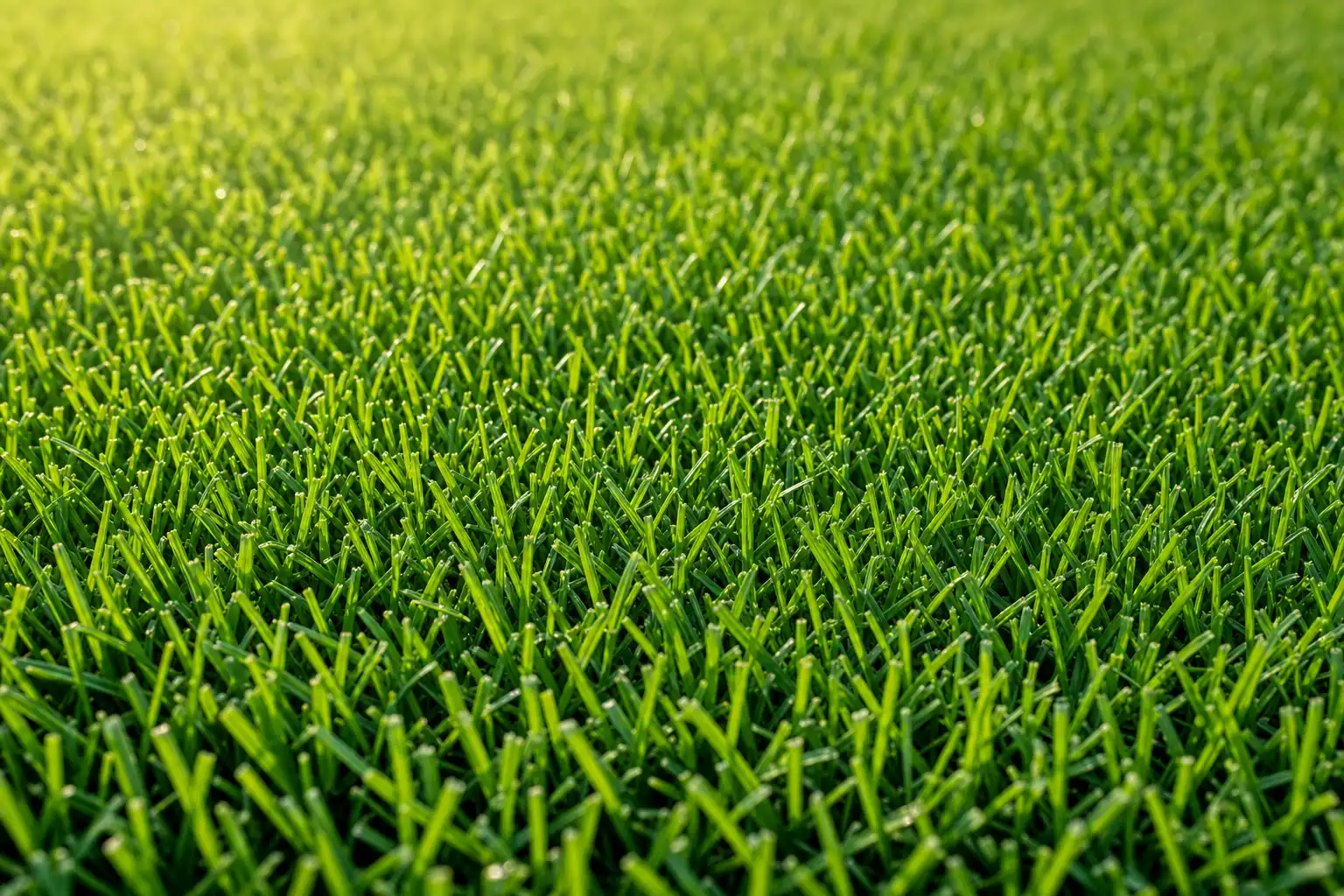
Bermudagrass
The dominant warm-season lawn grass across the Southern United States. Bermudagrass spreads aggressively via stolons and rhizomes, creating an extremely dense turf that handles heat, drought, and heavy traffic. Requires full sun and goes dormant in winter.
Soil: sandy loam, loam, adaptable
View on Premium Grass Seeds →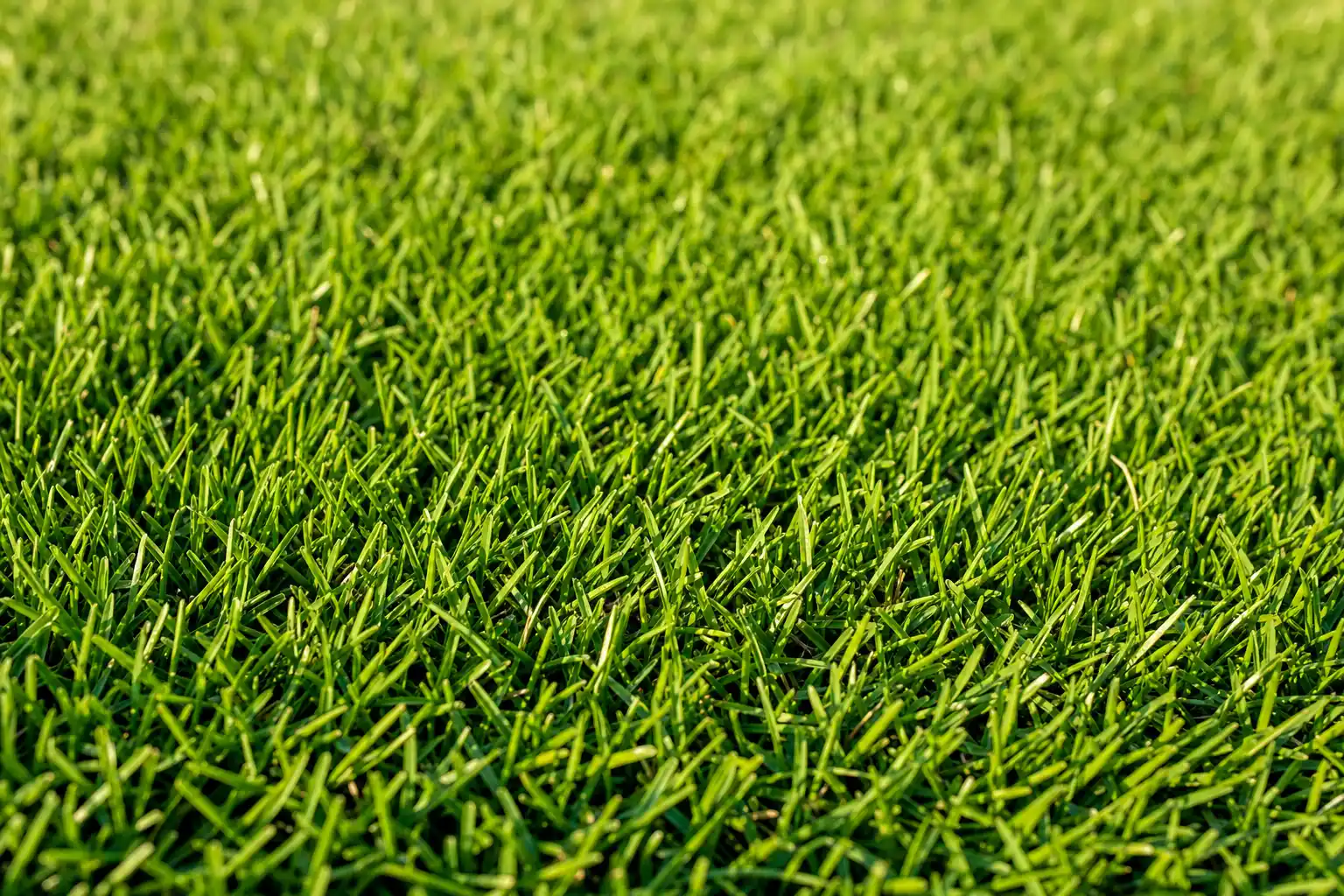
Zoysiagrass
A dense, carpet-like warm-season grass that tolerates more cold and shade than bermudagrass. Zoysiagrass establishes slowly but once mature forms an incredibly thick turf that crowds out weeds. Popular in the transition zone where it bridges cool and warm season options.
Soil: loam, clay-loam
View on Premium Grass Seeds →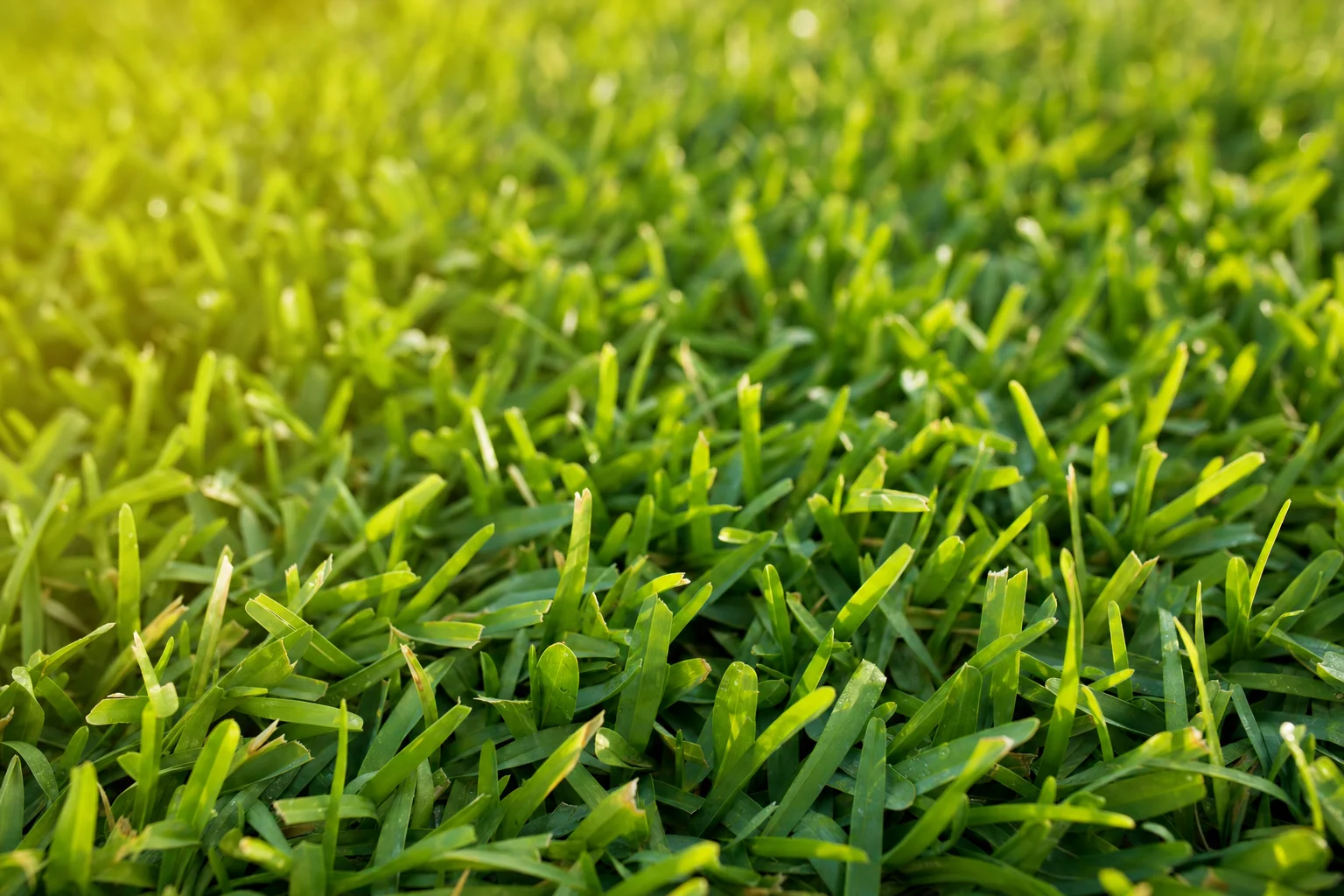
St. Augustinegrass
The most shade-tolerant warm-season grass, St. Augustinegrass is the go-to lawn grass for coastal Southern areas from the Carolinas to Texas. It spreads via stolons to form a thick, coarse-textured turf. Propagated by sod or plugs rather than seed.
Soil: sandy, loam, adaptable
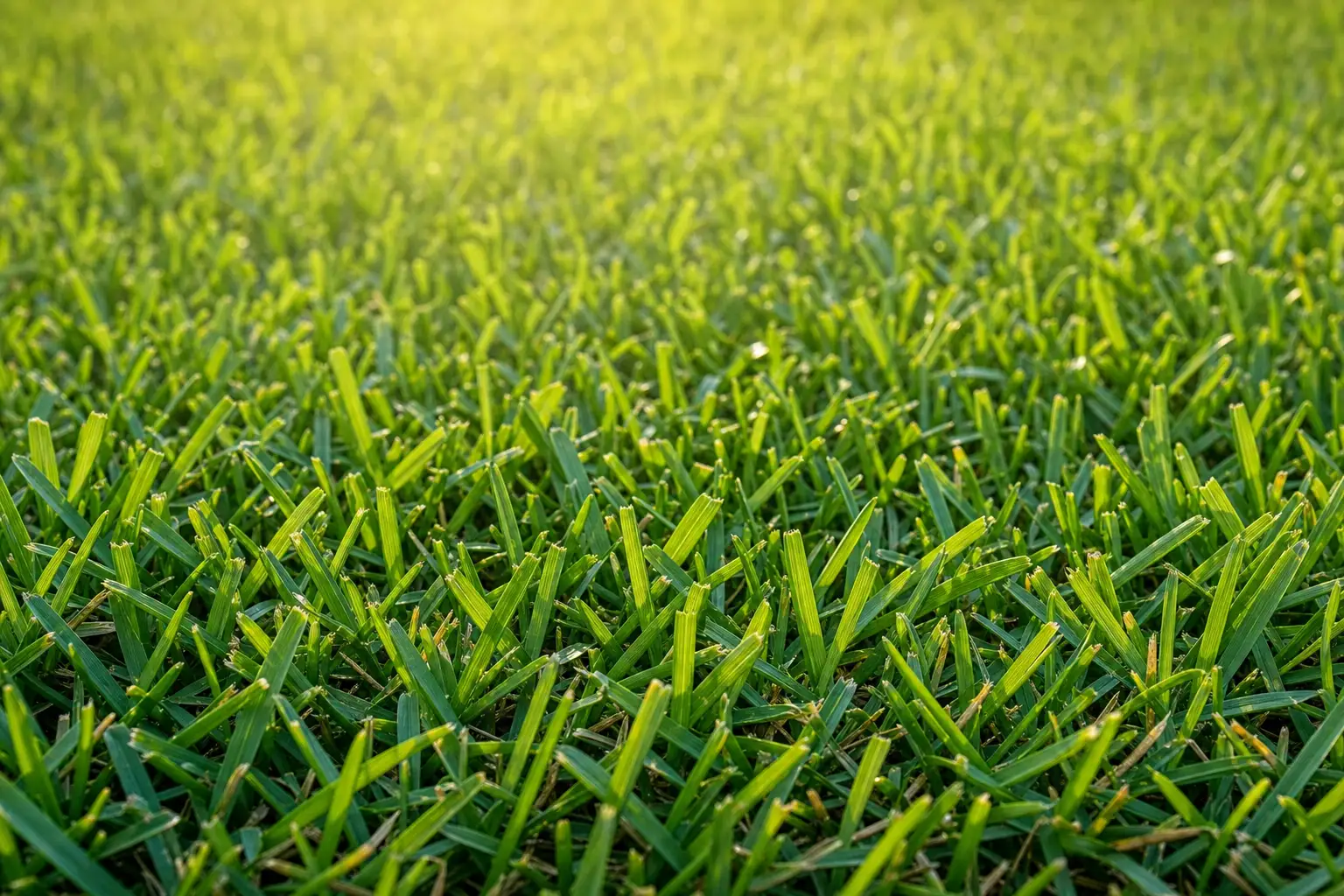
Bahiagrass
A low-maintenance warm-season grass popular in the Deep South, especially Florida and the Gulf Coast. Bahiagrass thrives in sandy, acidic soils where other grasses struggle. Its deep root system provides excellent drought tolerance but its open growth habit is coarser than bermuda or zoysia.
Soil: sandy, acidic, low fertility
View on Premium Grass Seeds →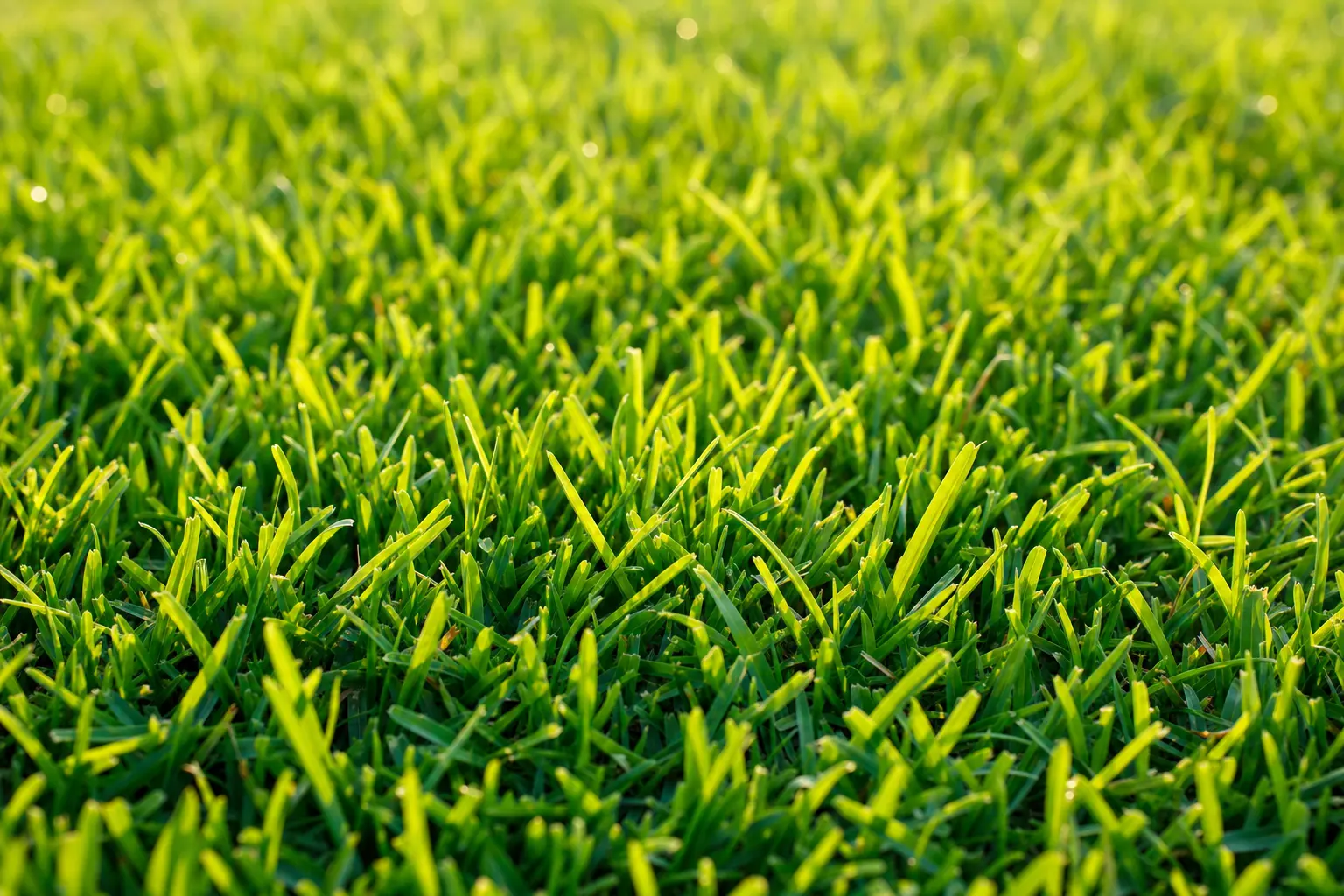
Centipedegrass
Known as the lazy man's grass, centipedegrass requires less mowing, fertilizing, and watering than most warm-season options. It spreads slowly via stolons and prefers acidic, low-fertility soils. Over-fertilizing is the most common mistake — it actually performs worse with too much nitrogen.
Soil: sandy, acidic, low fertility
View on Premium Grass Seeds →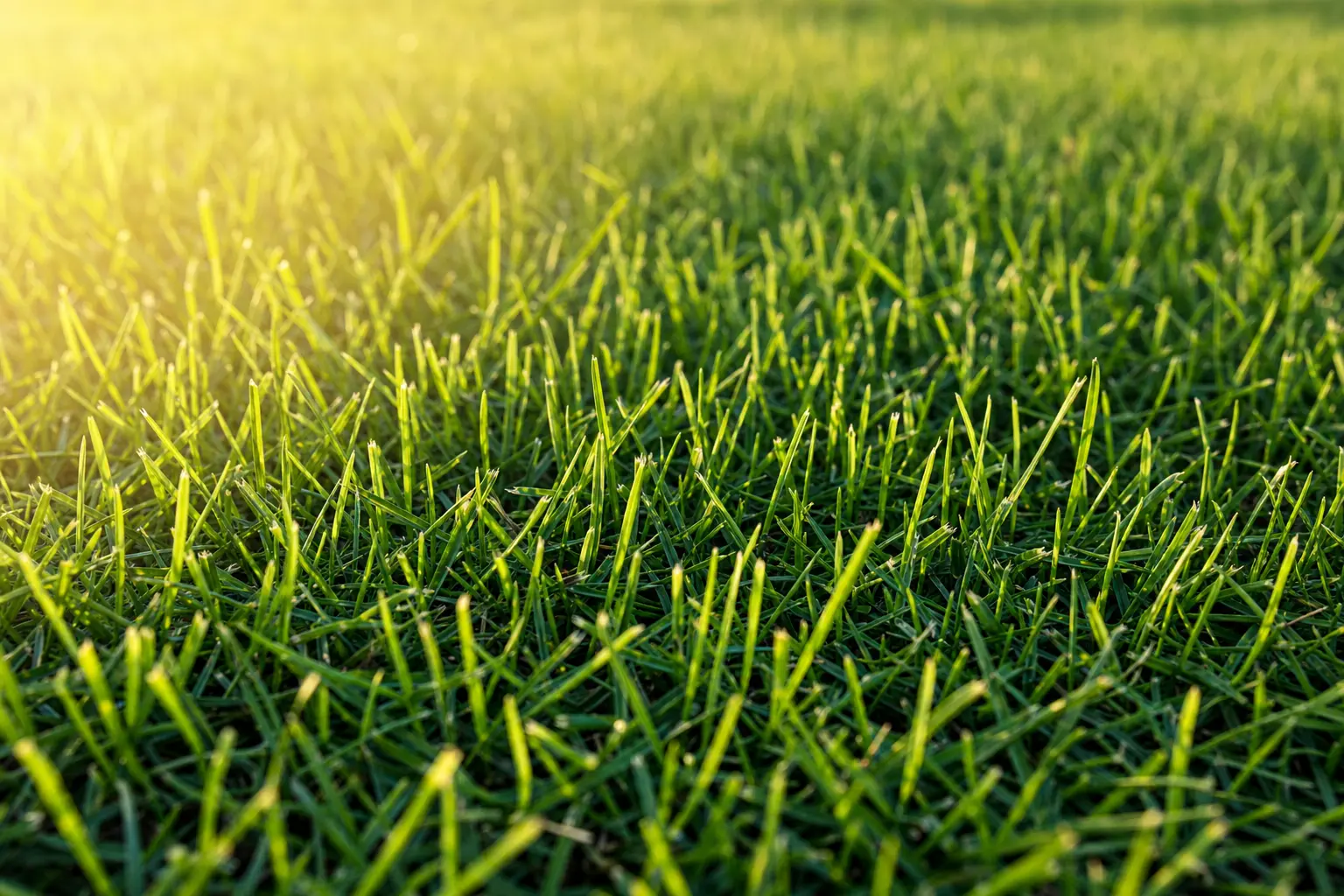
Seashore Paspalum
The most salt-tolerant turfgrass available, seashore paspalum thrives in coastal environments where salt spray, brackish irrigation water, or saline soils would kill other grasses. Popular on oceanfront golf courses and coastal properties. Typically established from sod or sprigs.
Soil: sandy, salt-tolerant, coastal
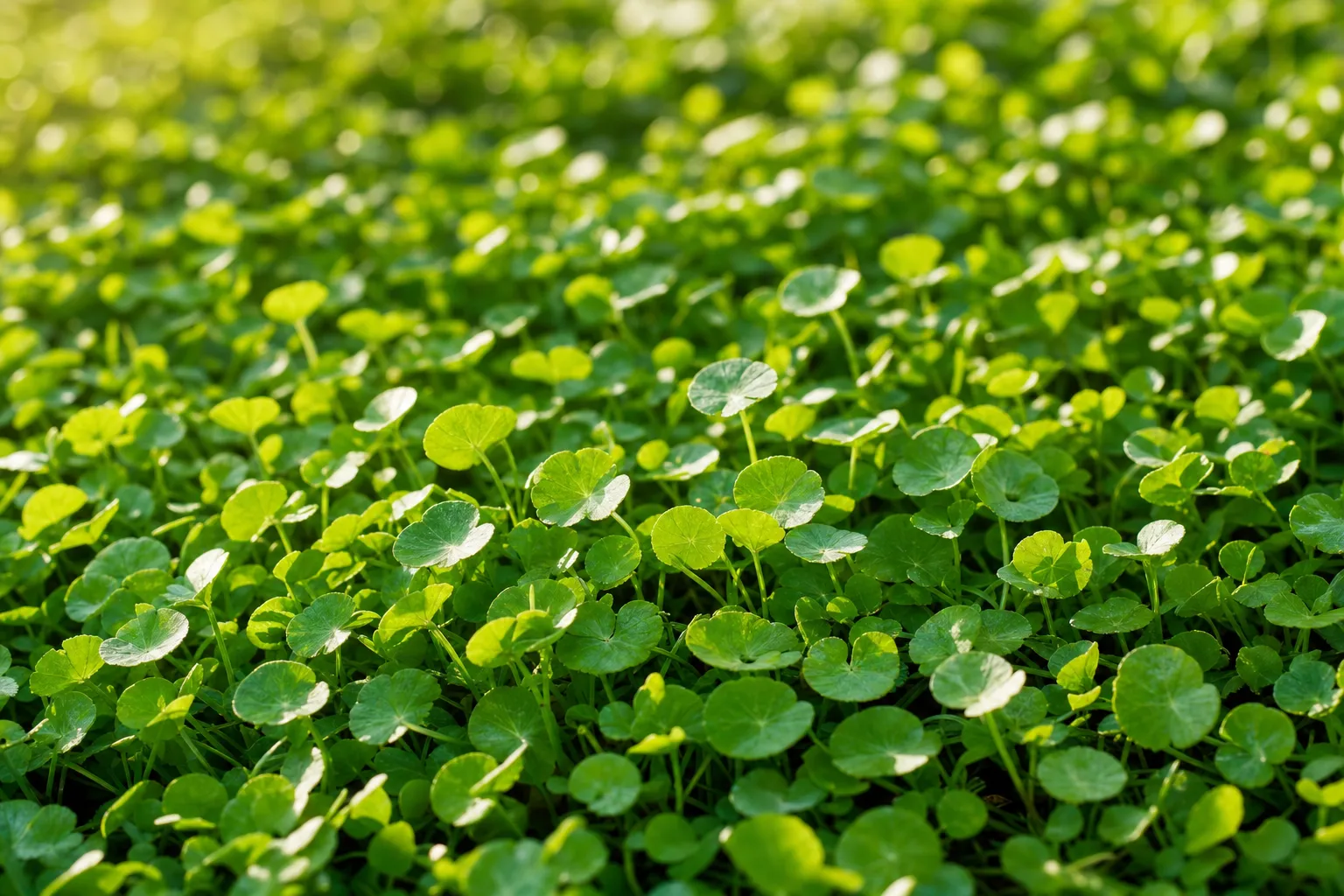
Dichondra
Not a true grass but a ground cover with small, round, lily-pad-shaped leaves that forms a soft, dense carpet. Dichondra is popular as a lawn alternative in mild Southern California and desert Southwest climates. It handles shade well but cannot tolerate foot traffic or cold winters.
Soil: loam, well-drained, fertile