Zone 5A Grass Types
Best grasses for cool-season classic Zone 5A. Detailed species guides with photos, care tips, and seed recommendations.
248 counties · 15 states · -20° to -15°F

Kentucky Bluegrass
The most popular cool-season grass for Northern lawns. Kentucky Bluegrass spreads via underground rhizomes to create a dense, self-repairing turf with a fine texture and deep green color. Requires consistent watering and fertilization to look its best.
Soil: loam, clay-loam
View on Premium Grass Seeds →
Tall Fescue
A tough, deep-rooted bunch-type grass that thrives in the transition zone and Northern climates. Turf-type tall fescue cultivars offer improved color and density over older varieties, with excellent heat and drought tolerance for a cool-season grass.
Soil: clay, loam, adaptable
View on Premium Grass Seeds →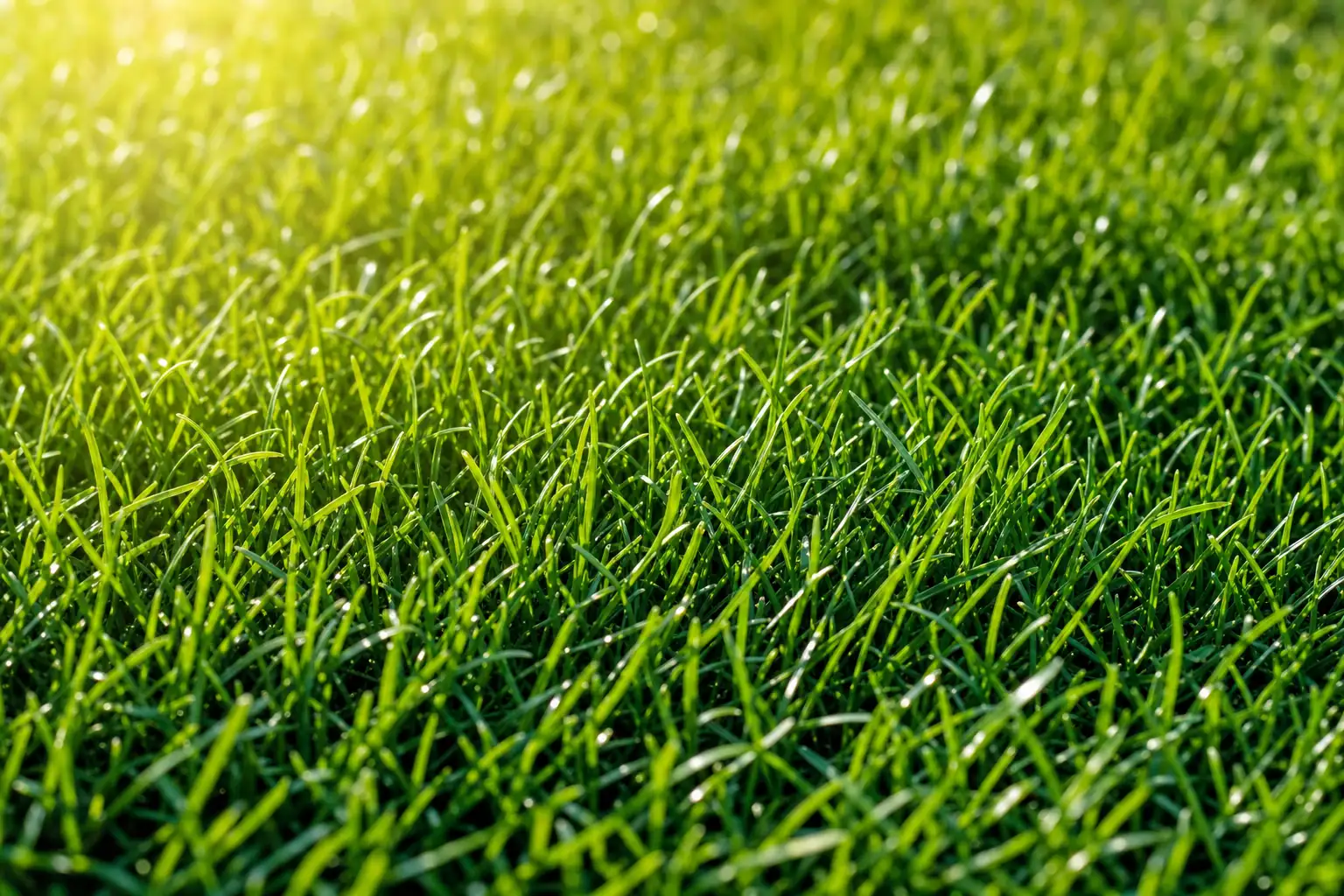
Perennial Ryegrass
The fastest-germinating cool-season grass, perennial ryegrass establishes in as few as 5-7 days. Often used in seed blends with Kentucky Bluegrass for quick cover while the slower KBG fills in. Excellent wear tolerance makes it ideal for high-traffic areas.
Soil: loam, well-drained
View on Premium Grass Seeds →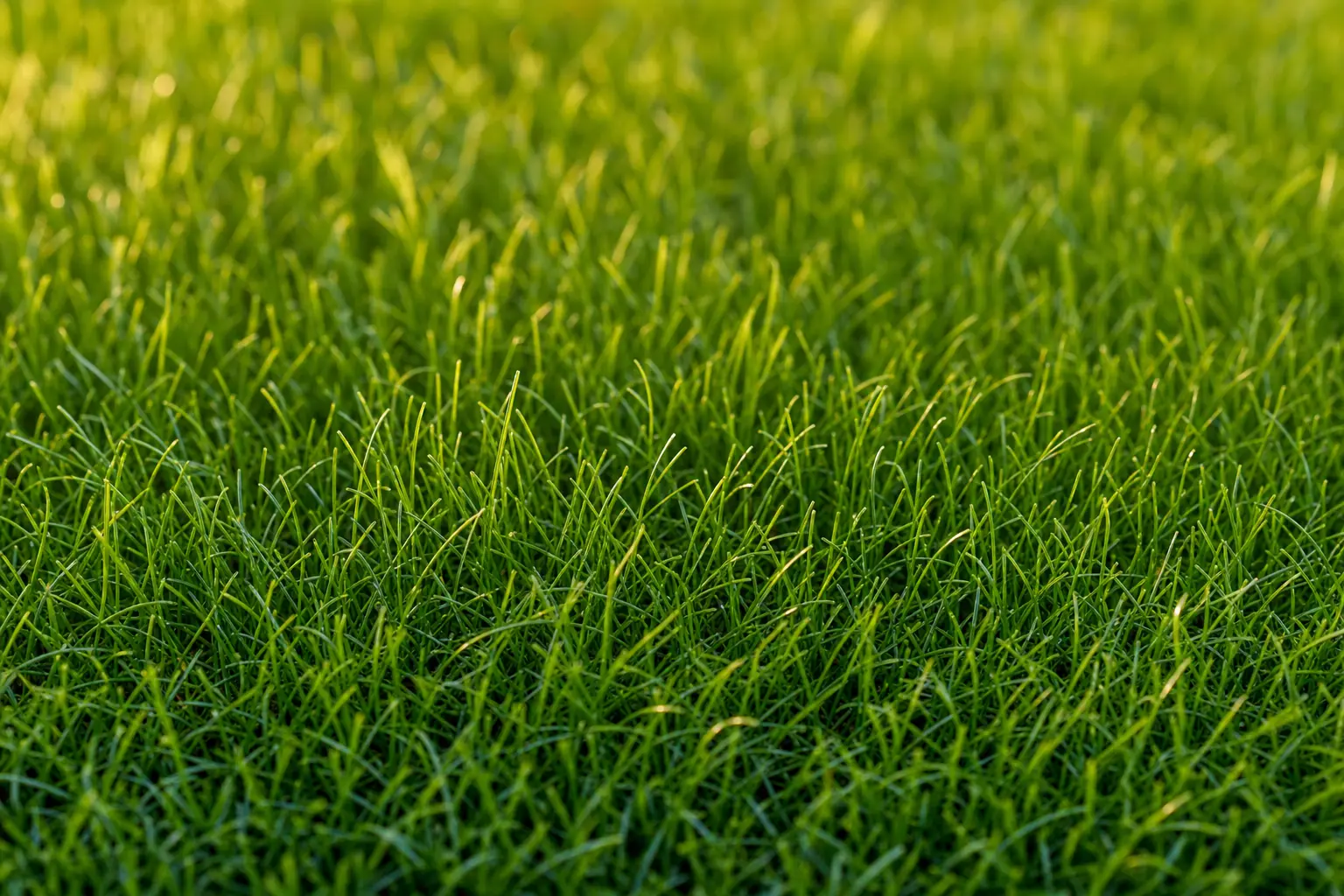
Fine Fescue
A group of fine-textured grasses including creeping red, chewings, hard, and sheep fescue. Fine fescues excel in shade and low-fertility soils where other grasses struggle. They require minimal mowing, fertilizing, and watering once established.
Soil: sandy, well-drained, low fertility
View on Premium Grass Seeds →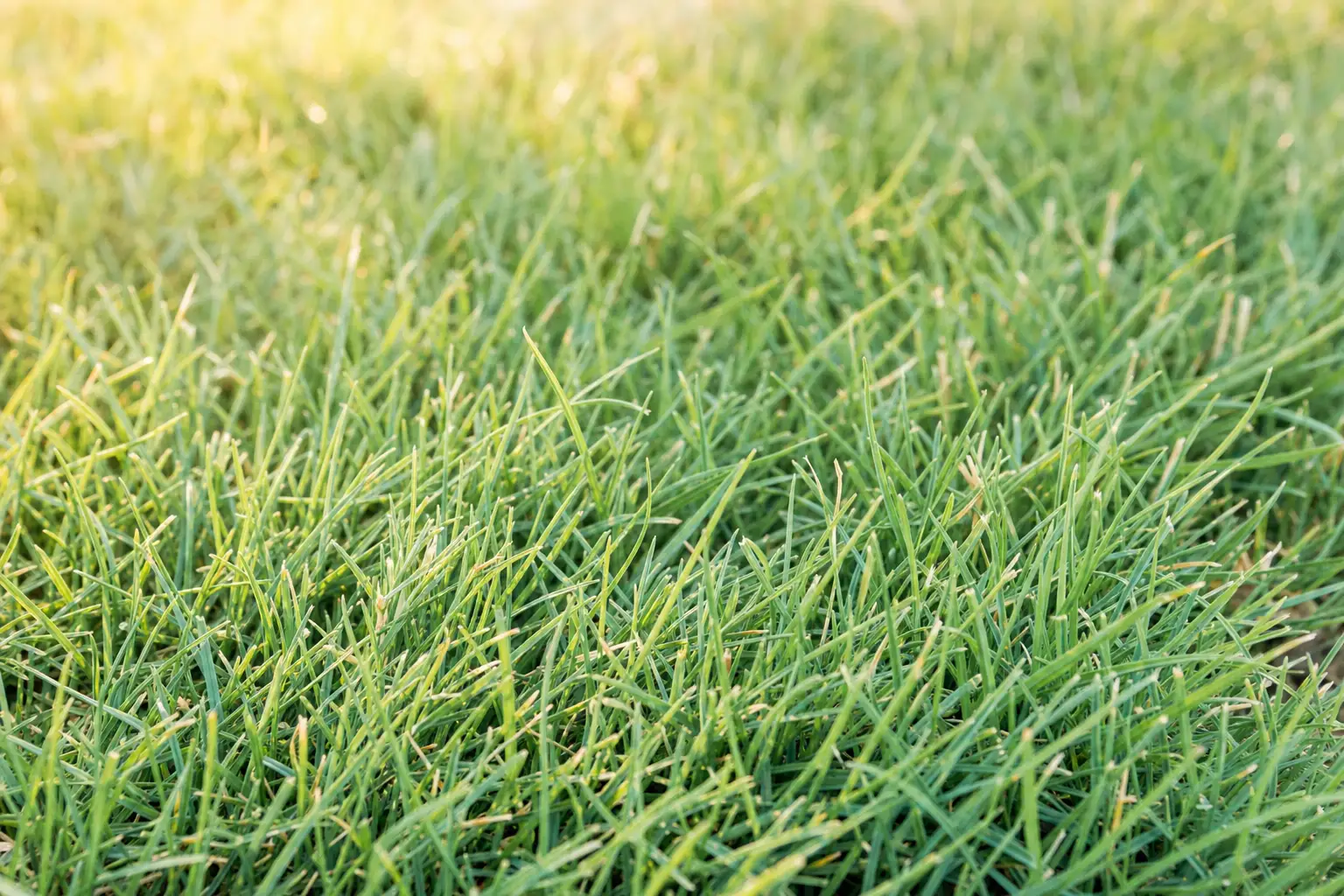
Buffalograss
A native North American prairie grass that thrives on neglect. Buffalograss needs minimal watering, mowing, and zero fertilizer once established. Ideal for large, open areas in the Great Plains and arid Western regions where water conservation is a priority.
Soil: clay, clay-loam, heavy soils
View on Premium Grass Seeds →
Bentgrass
The grass of golf course putting greens, bentgrass produces an ultra-fine, dense turf when mowed at very low heights. Creeping bentgrass requires daily watering, frequent fungicide applications, and expert-level maintenance. Not recommended for home lawns unless you enjoy the challenge.
Soil: loam, well-drained, fertile
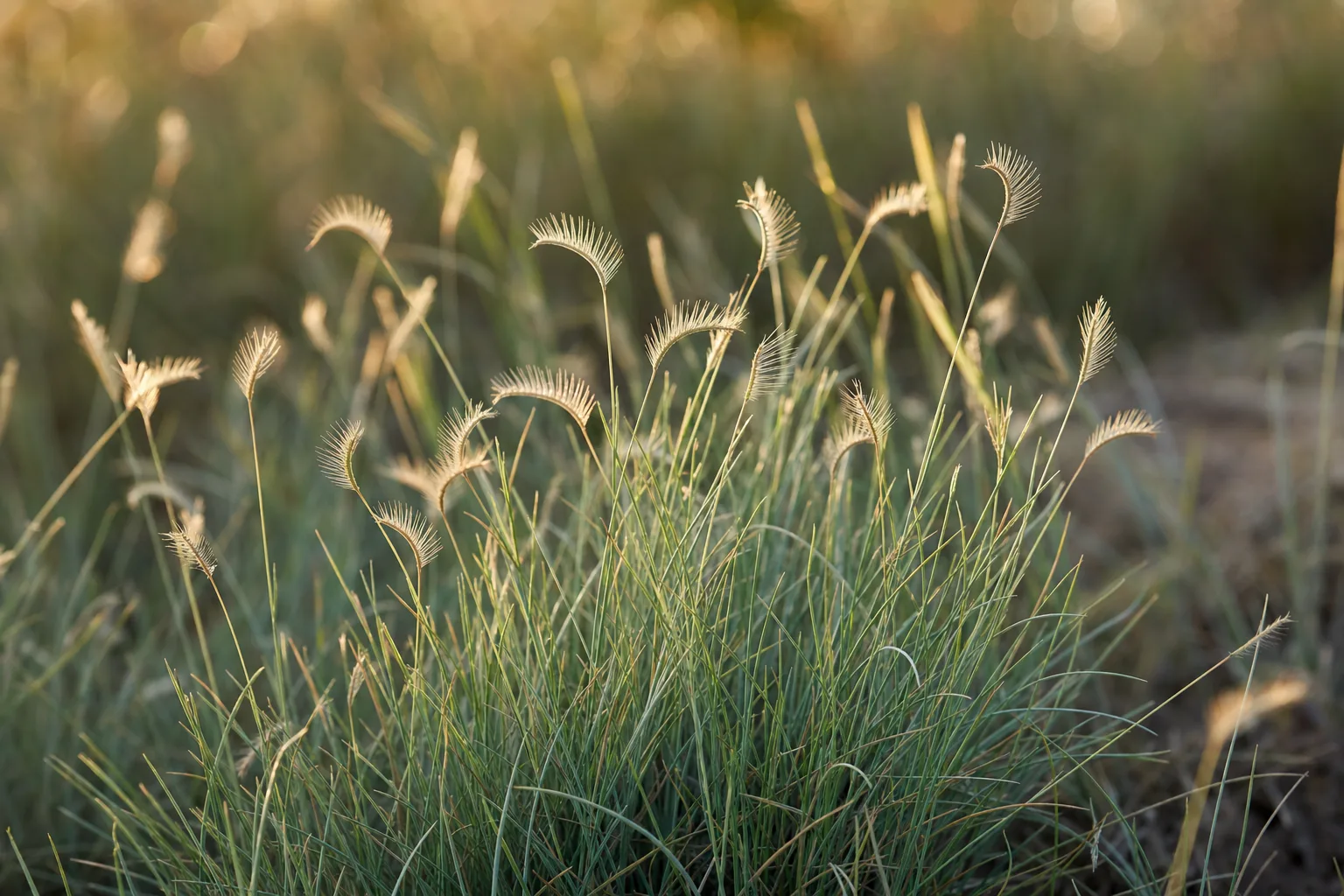
Blue Grama
A native shortgrass prairie species that survives extreme drought, cold, and poor soils. Blue grama grows only 6-8 inches tall and features distinctive eyelash-shaped seed heads. Ideal for low-input, naturalized landscapes in the Western and Great Plains states.
Soil: sandy, clay, well-drained, alkaline
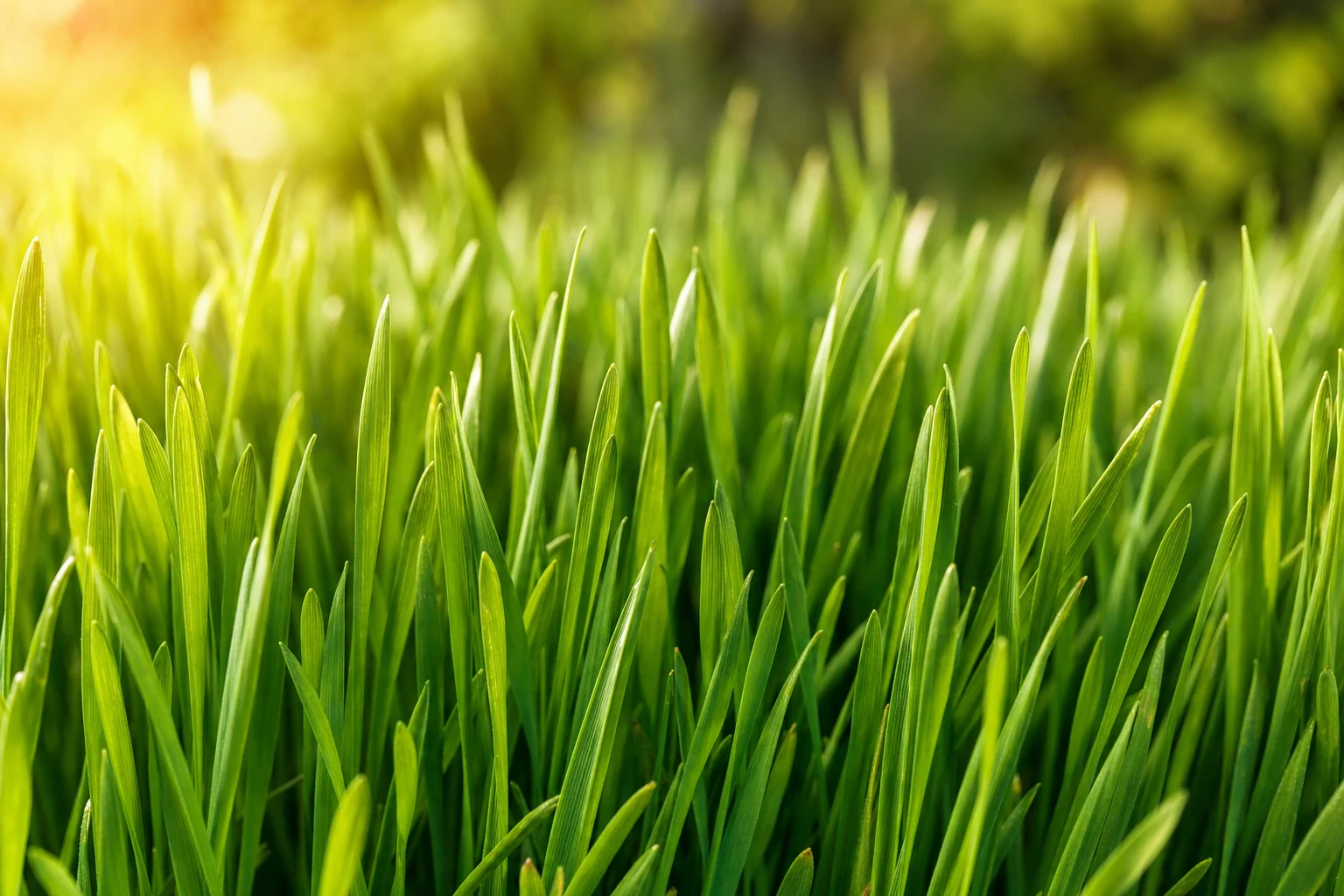
Wheatgrass
Western and crested wheatgrass are rugged, drought-tolerant cool-season grasses used for rangeland, roadsides, and low-maintenance turf in arid Western climates. They tolerate alkaline and saline soils where traditional lawn grasses fail. Coarser texture than typical lawn grasses.
Soil: clay, loam, alkaline, saline-tolerant