Zone 3B Grass Types
Best grasses for cold continental Zone 3B. Detailed species guides with photos, care tips, and seed recommendations.
23 counties · 3 states · -35° to -30°F

Kentucky Bluegrass
The most popular cool-season grass for Northern lawns. Kentucky Bluegrass spreads via underground rhizomes to create a dense, self-repairing turf with a fine texture and deep green color. Requires consistent watering and fertilization to look its best.
Soil: loam, clay-loam
View on Premium Grass Seeds →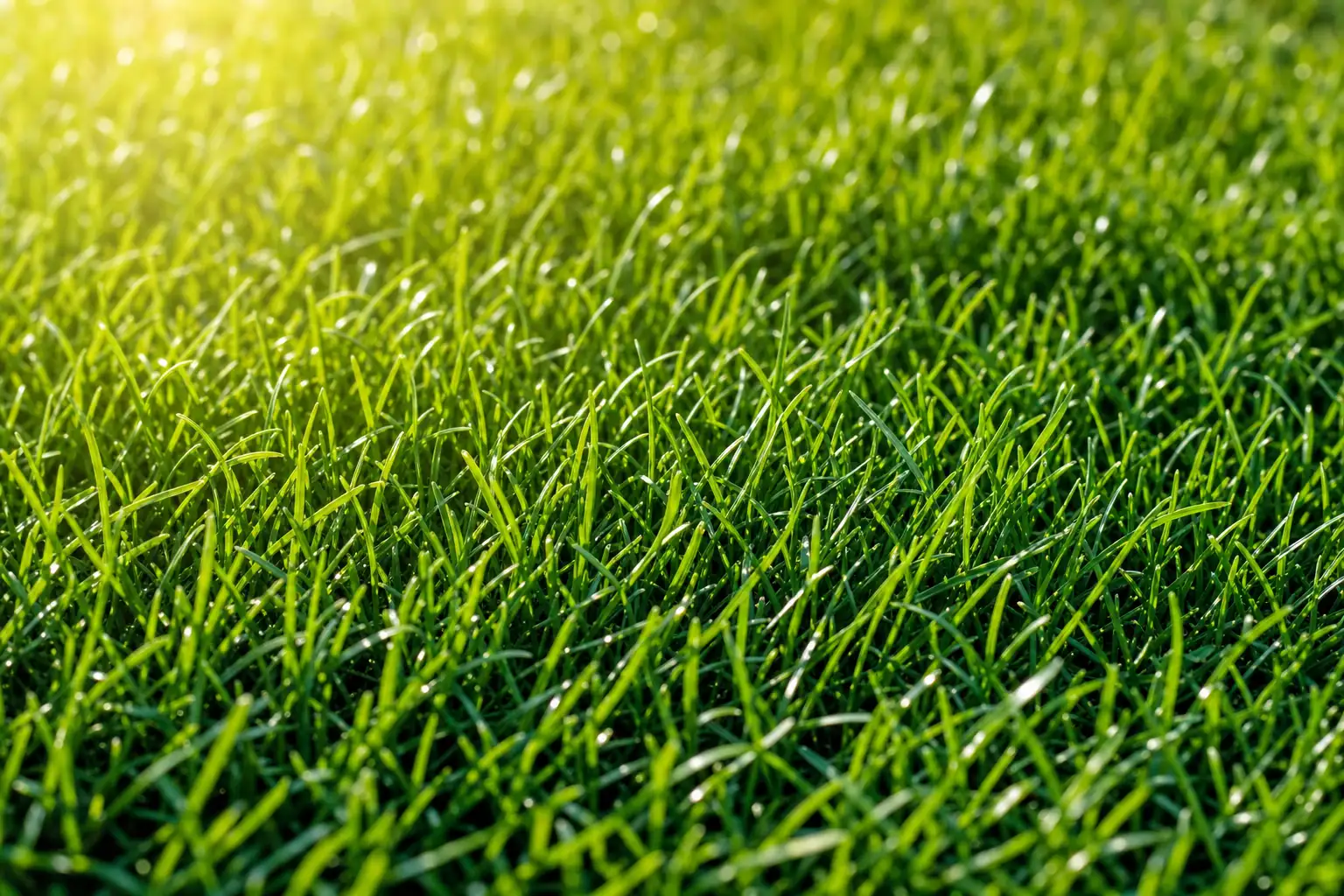
Perennial Ryegrass
The fastest-germinating cool-season grass, perennial ryegrass establishes in as few as 5-7 days. Often used in seed blends with Kentucky Bluegrass for quick cover while the slower KBG fills in. Excellent wear tolerance makes it ideal for high-traffic areas.
Soil: loam, well-drained
View on Premium Grass Seeds →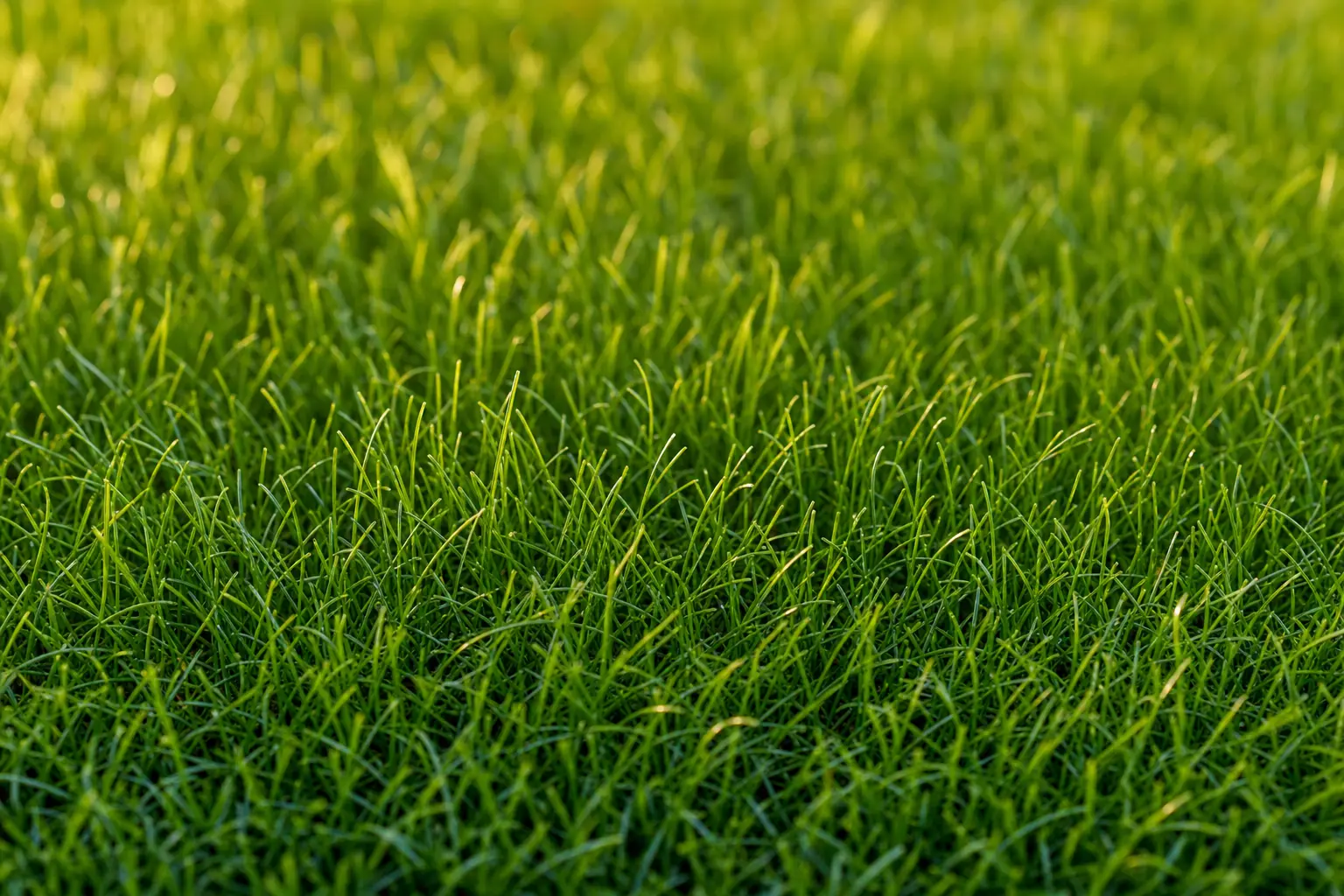
Fine Fescue
A group of fine-textured grasses including creeping red, chewings, hard, and sheep fescue. Fine fescues excel in shade and low-fertility soils where other grasses struggle. They require minimal mowing, fertilizing, and watering once established.
Soil: sandy, well-drained, low fertility
View on Premium Grass Seeds →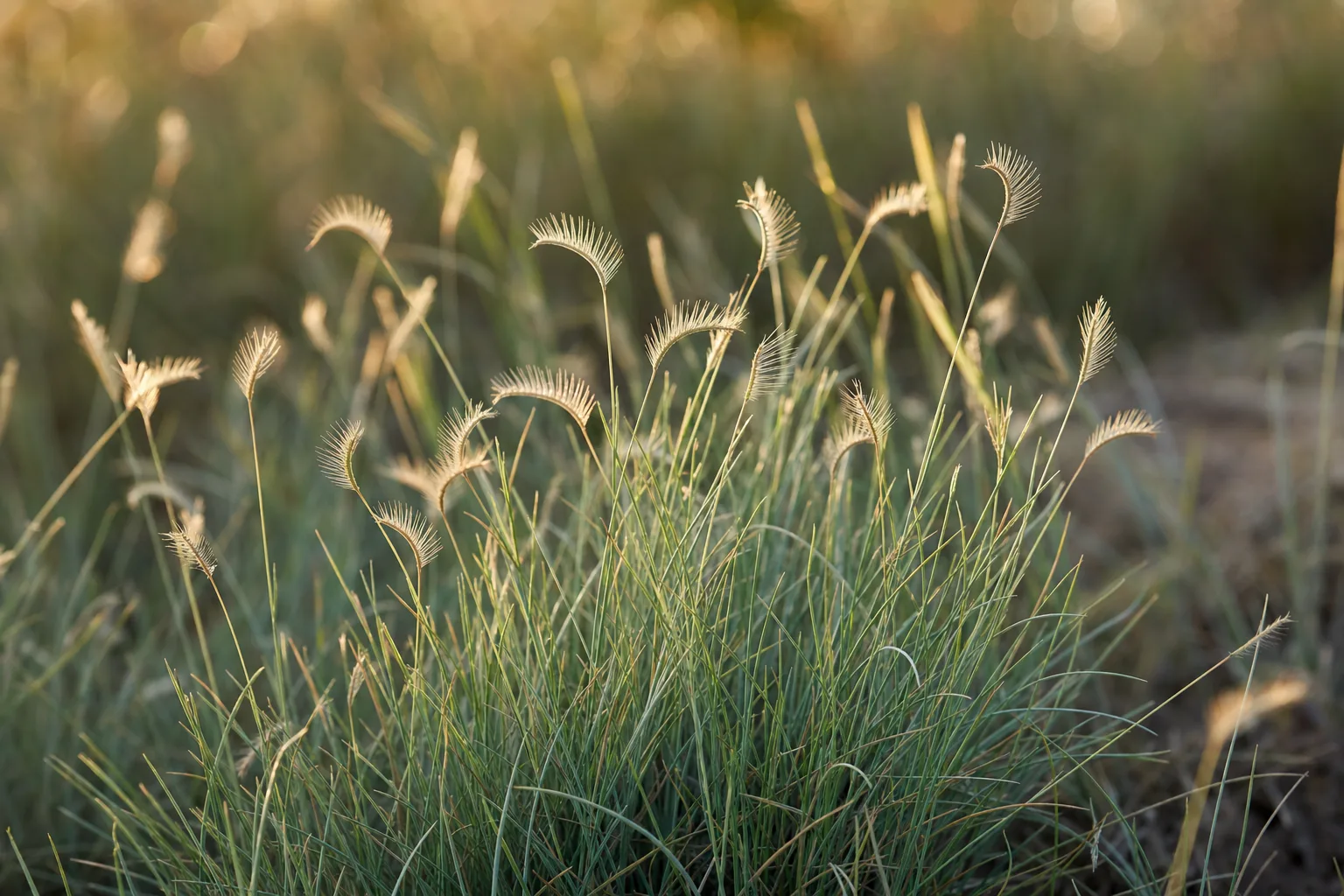
Blue Grama
A native shortgrass prairie species that survives extreme drought, cold, and poor soils. Blue grama grows only 6-8 inches tall and features distinctive eyelash-shaped seed heads. Ideal for low-input, naturalized landscapes in the Western and Great Plains states.
Soil: sandy, clay, well-drained, alkaline
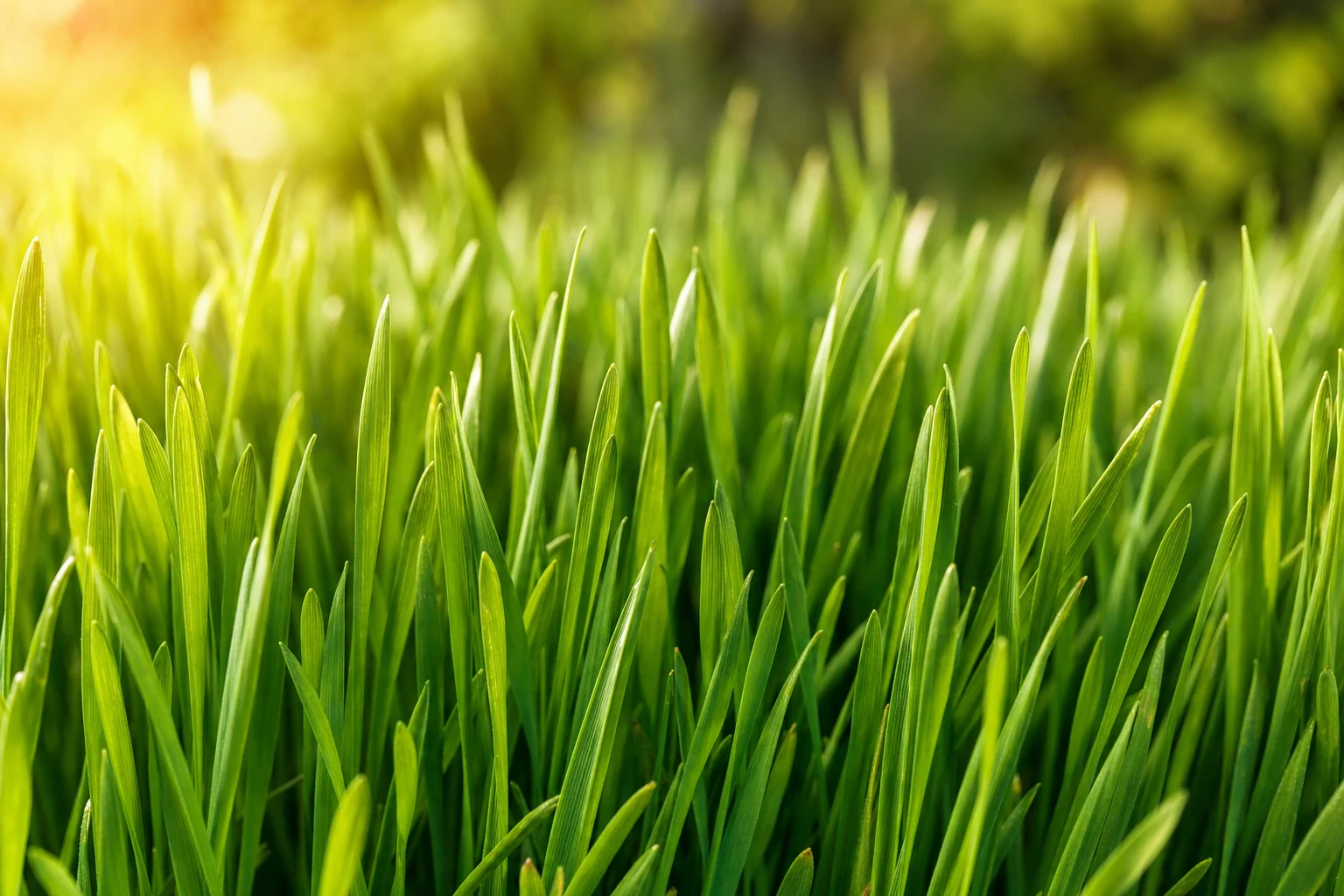
Wheatgrass
Western and crested wheatgrass are rugged, drought-tolerant cool-season grasses used for rangeland, roadsides, and low-maintenance turf in arid Western climates. They tolerate alkaline and saline soils where traditional lawn grasses fail. Coarser texture than typical lawn grasses.
Soil: clay, loam, alkaline, saline-tolerant